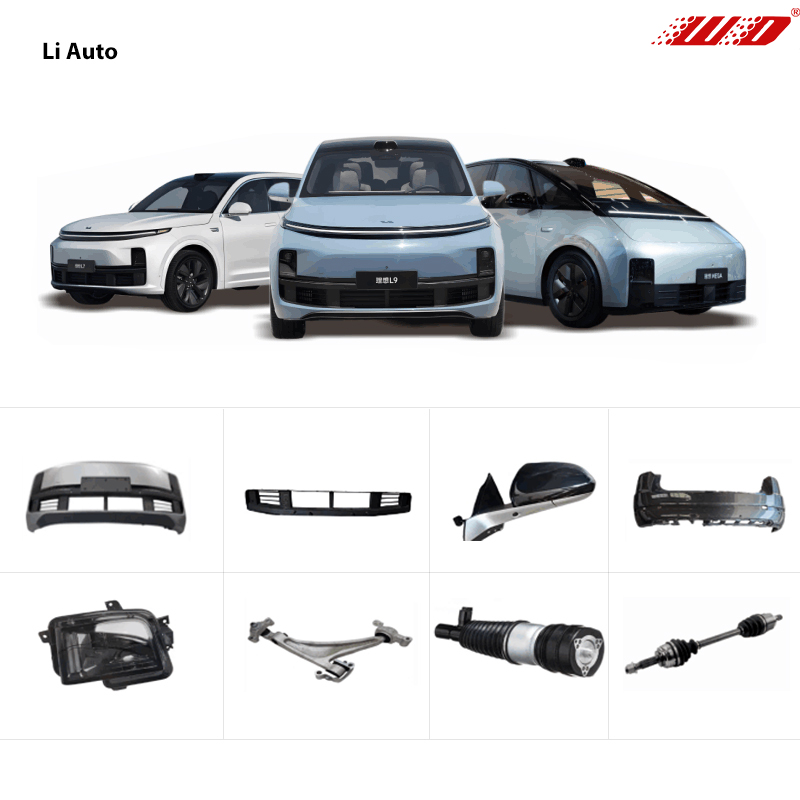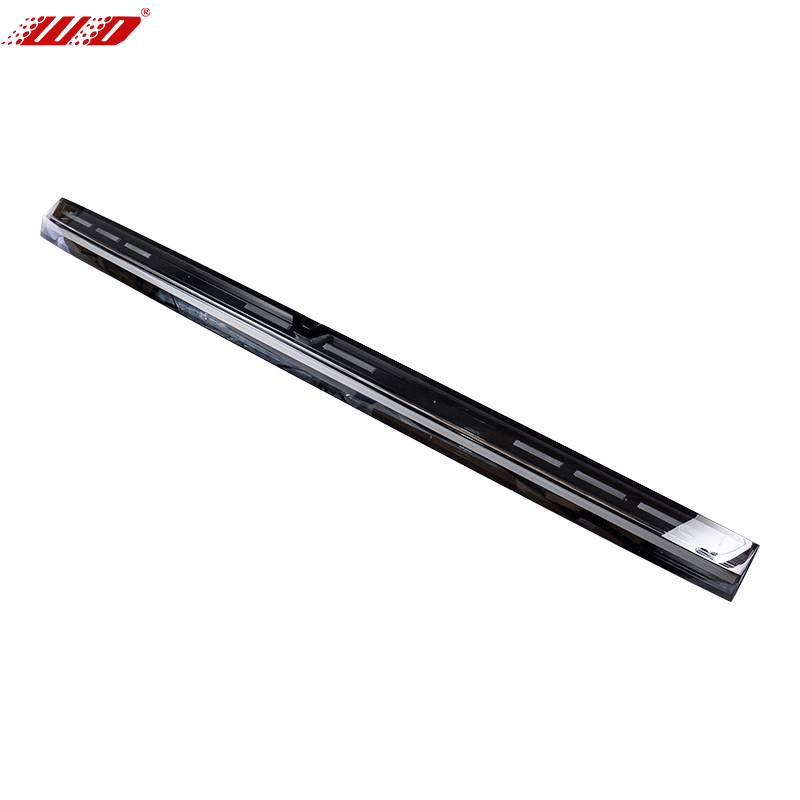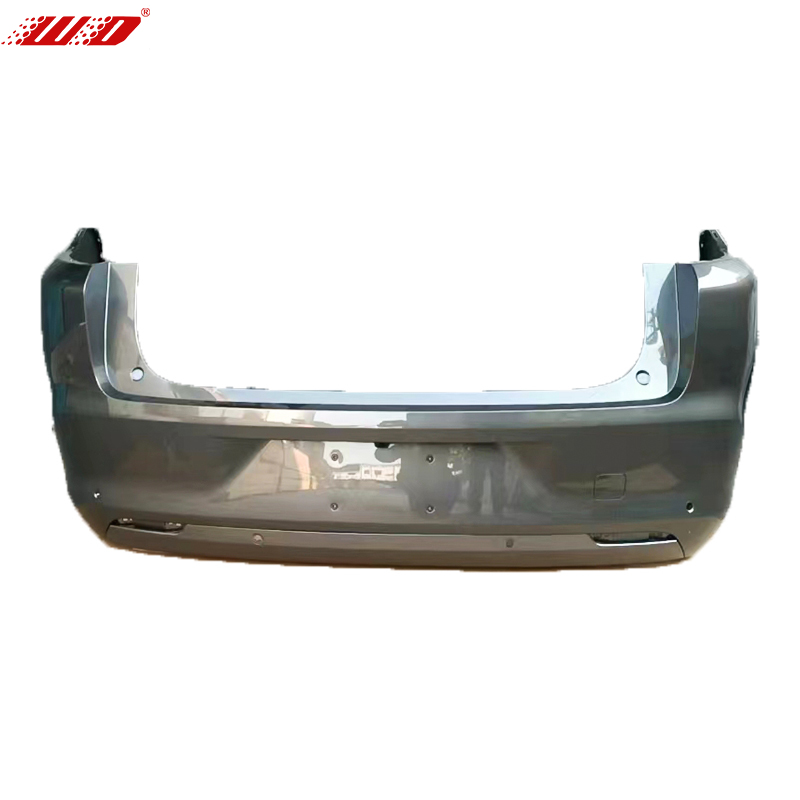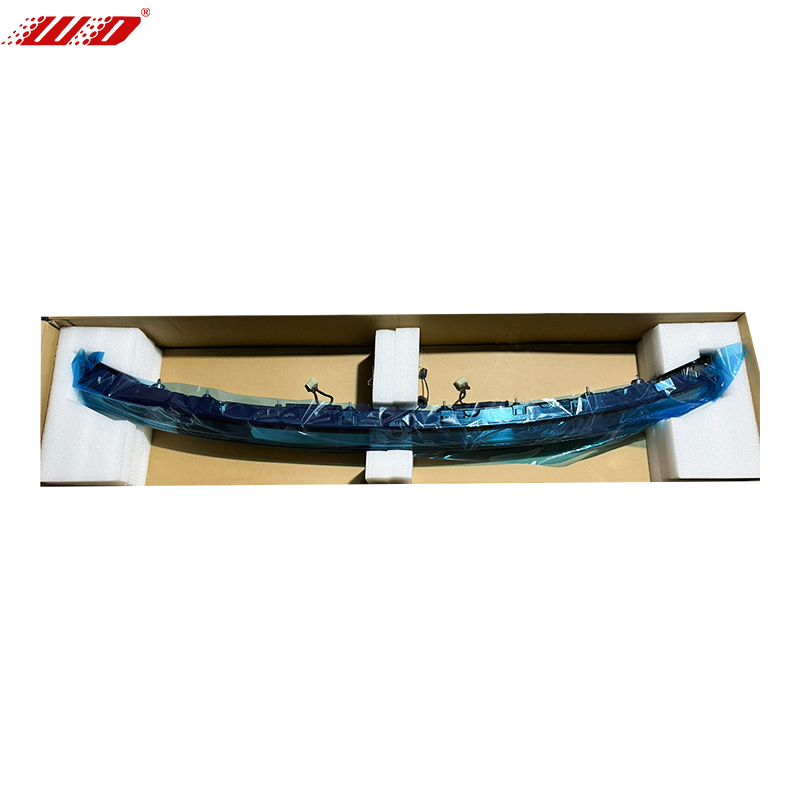

When a fleet manager ordered replacement front bumpers for a batch of Li Auto L7 vehicles, the parts looked identical to the originals and carried the same part numbers. The supplier could not provide material composition certificates or mechanical performance reports for the incoming batch. Two months later, clip tabs cracked, paint peeled near the mounting points, and the insurer refused the claim because the parts could not be verified as compliant with the original material specification.
Core conclusion: Material certifications are a non-negotiable requirement when sourcing OEM spare parts. They determine whether a part truly matches factory specifications, and they directly impact safety, regulatory compliance, insurance claims, and total ownership costs.
What OEM Material Certifications Cover
Material certification is not a single paper. A proper set of certifications for an OEM automotive part includes four layers:
- Original material specification: chemical composition, physical properties, and processing parameters.
- Mechanical performance report: tensile strength, impact toughness, flexural modulus, and hardness.
- Third-party testing and certification: for example, RoHS compliance, flame retardancy, and salt spray resistance.
- Traceability: batch number, production date, quality inspection record.
For a front bumper or grille, the difference between a certified PP GF30 compound and a substituted low-cost PP material is not visible to the eye, but it shows up as cracking at low temperature, poor impact resistance, and reduced paint adhesion. Traceability matters because a single unbranded batch can contain mixed material sources, and without batch records there is no way to isolate the affected components.
When replacing collision parts, buyers often overlook trim-level and side-specific differences. For example, the front bumper for the Li Auto L6 differs from the L7 in mounting structure, and each variant requires matching material certification.
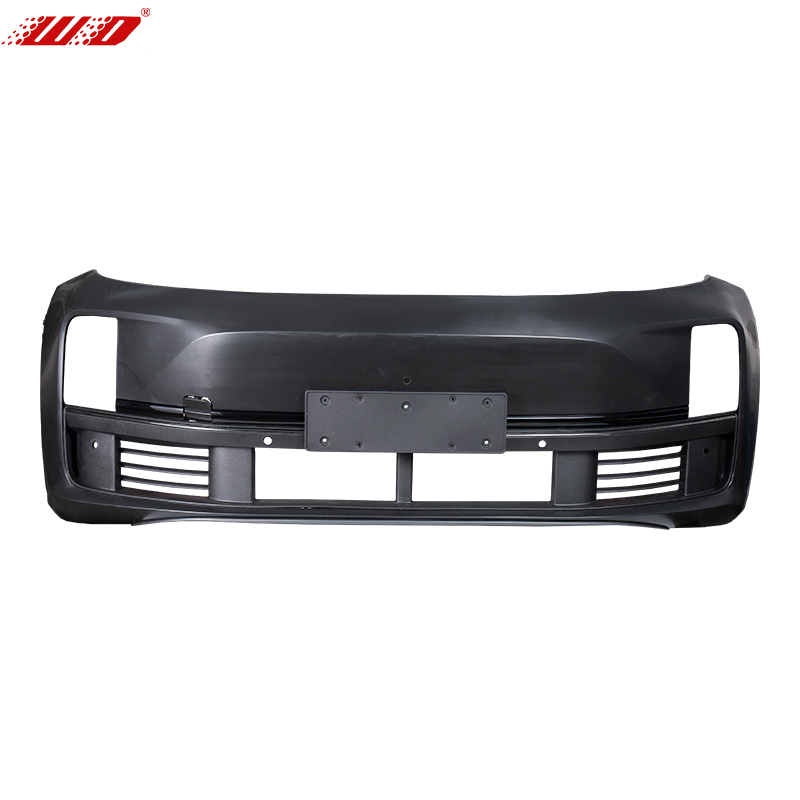 OEM-Style Front Bumper for Li Auto L6 with Certified Material This front bumper for Li Auto L6 is developed with OEM 1:1 molds and premium packaging. Its material certification ensures reliable performance near the engine bay, reducing risks from lower-grade alternatives. View Product →
 Why Material Certifications Cannot Be Skipped
Some buyers assume that any part marked with the OEM brand is acceptable. In practice, several suppliers sell parts that look original but use lower-grade materials. For parts near the engine bay, battery pack, or underbody, a wrong material can cause serious problems.
Skipping the certificate means accepting unknown chemical composition and unknown fatigue life. A small saving on the purchase price becomes a large loss when parts fail, repairs are repeated, or insurance coverage is denied. Insurance adjusters routinely request proof of OE material compliance before approving a claim, and a missing certificate can downgrade the claim to aftermarket value.
This is why professional buyers are making material certification the first filter in supplier qualification. For practical guidance on establishing that process, see our article on choosing reliable auto parts .
Data Comparison: How Certification Levels Affect Procurement
The table below compares typical outcomes for three supply options across critical procurement dimensions.
Certification level influences long-term ownership cost more than the purchase price alone.
Hidden Indicators: Numerical Differences Behind Certifications
Material certification is often about values that buyers cannot see in a photo. The chart below compares certified OEM parts with uncertified alternatives across three key material indicators, indexed to certified performance as 100%.
Lower tensile strength means the part deforms earlier under load. Reduced salt spray resistance accelerates corrosion on exposed fixings. A lower fatigue cycle count leads to premature failure for parts under repeated stress, such as bumper brackets and control arm stiffeners. These gaps explain why a part can pass a visual check and still fail in real service.
Industry Distribution: Different Requirements for EV and ICE Models
Different vehicle types put different demands on material certification. Based on typical purchasing needs across current Chinese EV and combustion platforms, certified material requirements break down as follows.
- EV high-voltage systems and battery-related parts: require flame retardancy, insulation, and high-temperature tolerance. These represent about 40% of certification-driven purchasing.
- ICE engine and chassis components: emphasize mechanical strength and corrosion resistance, accounting for roughly 35%.
- Exterior body panels and lighting: need a balance of tough substrate, surface treatment quality, and UV stability, making up around 25%.
For EV platforms, the certification stakes are higher because an incompatible material can affect electrical insulation or thermal management. This is especially relevant when sourcing parts for the Li Auto L7 body parts range, where high- and low-configuration variants use different structural reinforcements.
In the same way, exterior panels for EV models need the correct modified polypropylene specification before they can pass insurer scrutiny.
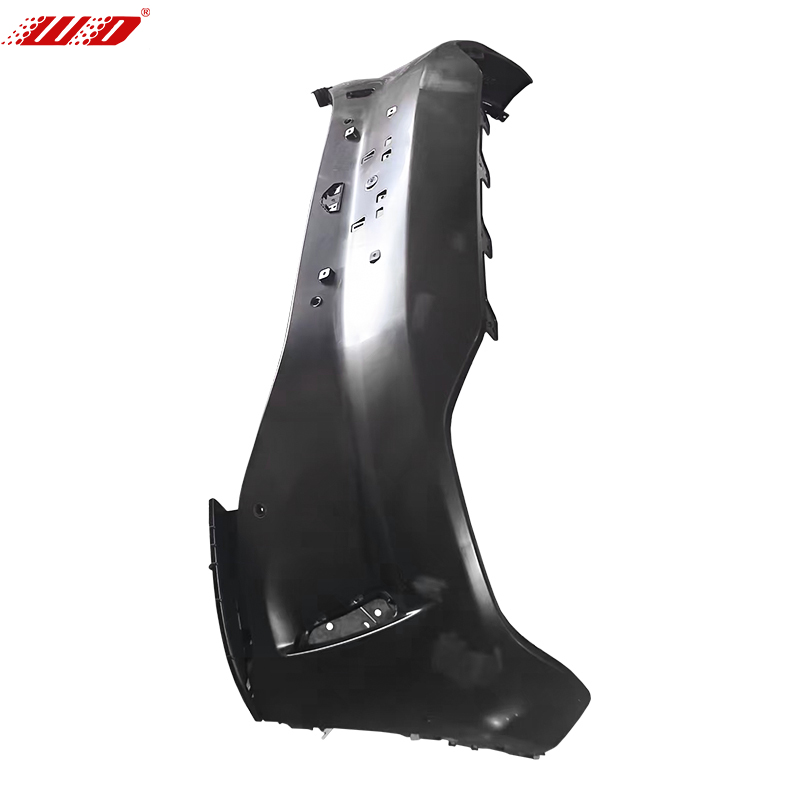 Durable Front Bumper Upper Shell Assembly for Precise Fit This upper shell assembly is crafted from high-quality materials for superior durability and impact protection. Its precise design integrates seamlessly, making it a dependable choice for maintenance and replacement. View Product →
 Selection Guide: A Five-Minute Verification Process
Maintenance and Compliance Advice
Beyond purchasing, proper certification also supports maintenance planning. Inspect frequently replaced panels such as bumper covers and underbody shields after collisions or harsh road use. Even a part that appears intact may have internal cracks, compromised clips, or degraded sealing that will fail later.
Regulatory requirements differ by market. Some regions require specific recyclability tags or flame-retardant material declarations for interior and exterior plastic parts. Having certification on file simplifies import clearance, vehicle inspection, and insurance audits. For underbody components exposed to debris and road salt, the right material improves both longevity and safety.
The Geely Monjaro front bumper lower guard plate is an example where material certification and mounting precision matter equally.
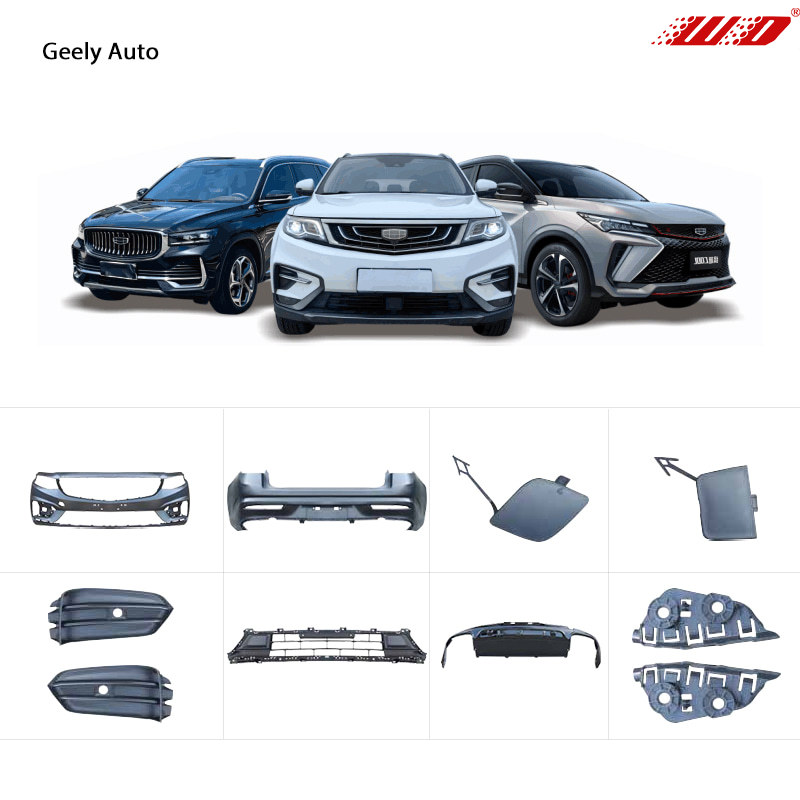 Certified Front Bumper Lower Guard Plate for Geely Monjaro This lower guard plate for Geely Monjaro emphasizes material certification and mounting precision. Proper certification helps avoid claim disputes and supports long-term vehicle performance. View Product →
 Parts with complete material certification may cost more at the outset, but they consistently reduce rework, avoid claim disputes, and slow vehicle depreciation. Over a two-year horizon, the premium is often recovered through fewer failures and smoother administrative processes. Treat material certification as an investment in performance, not an optional paperwork exercise.