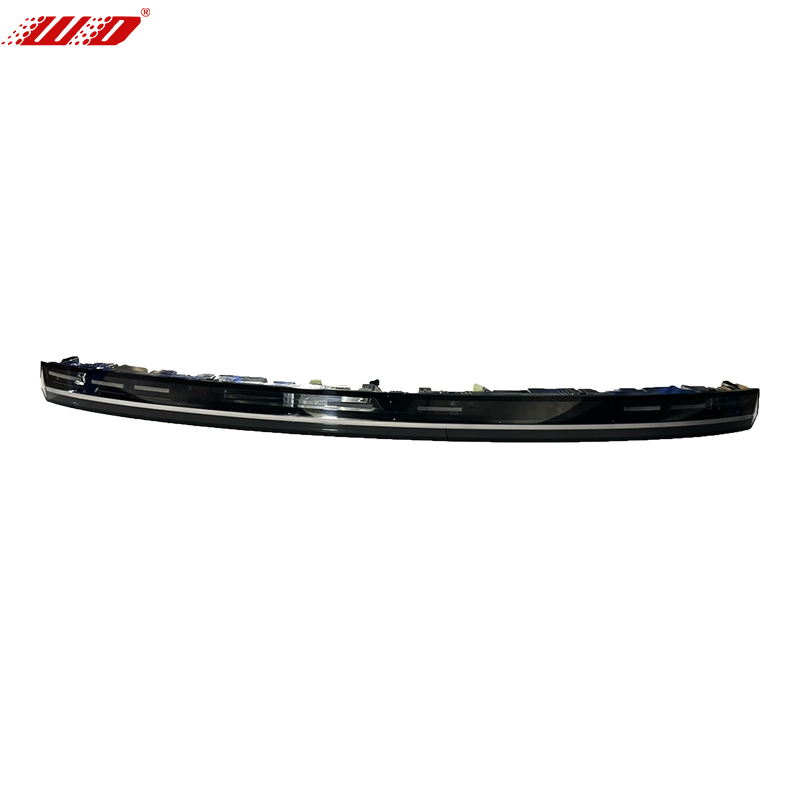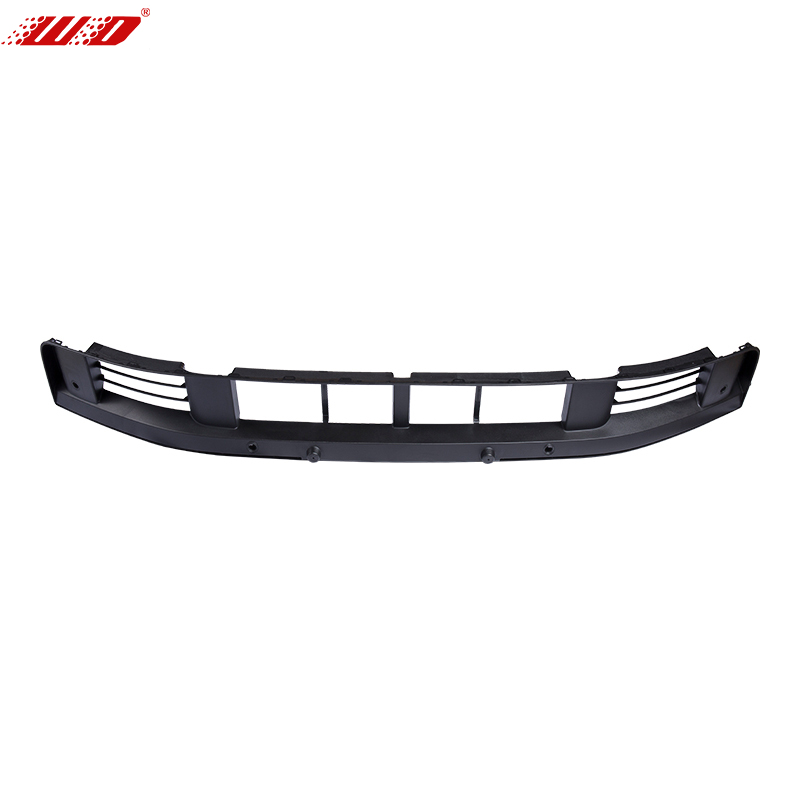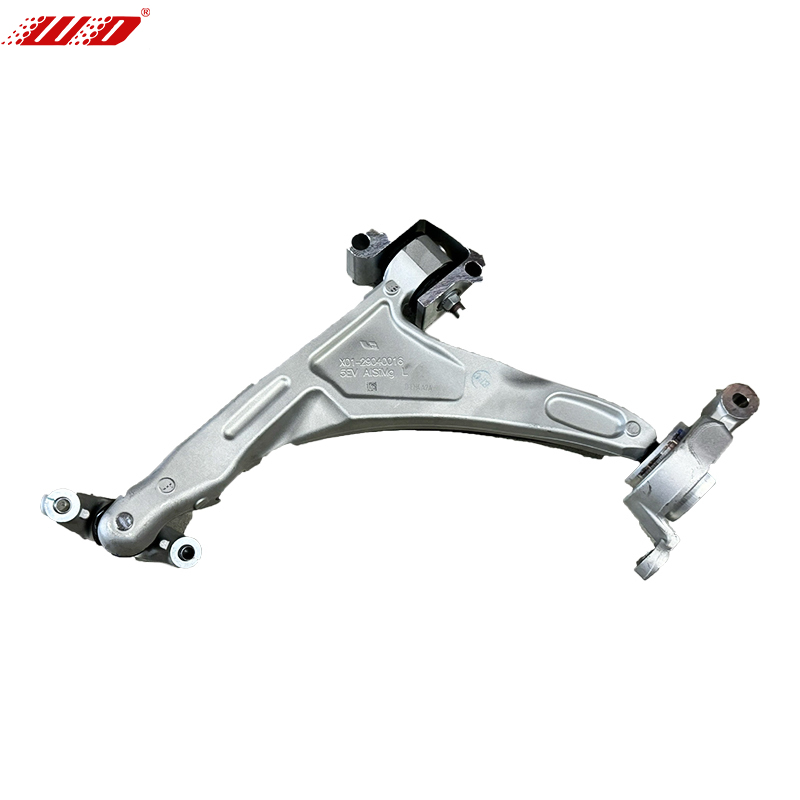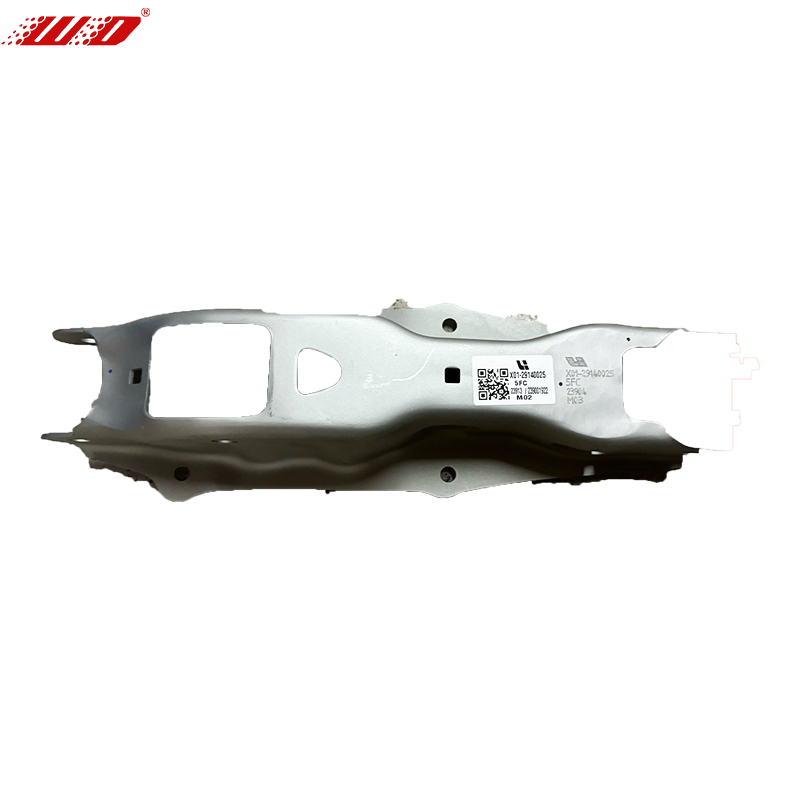

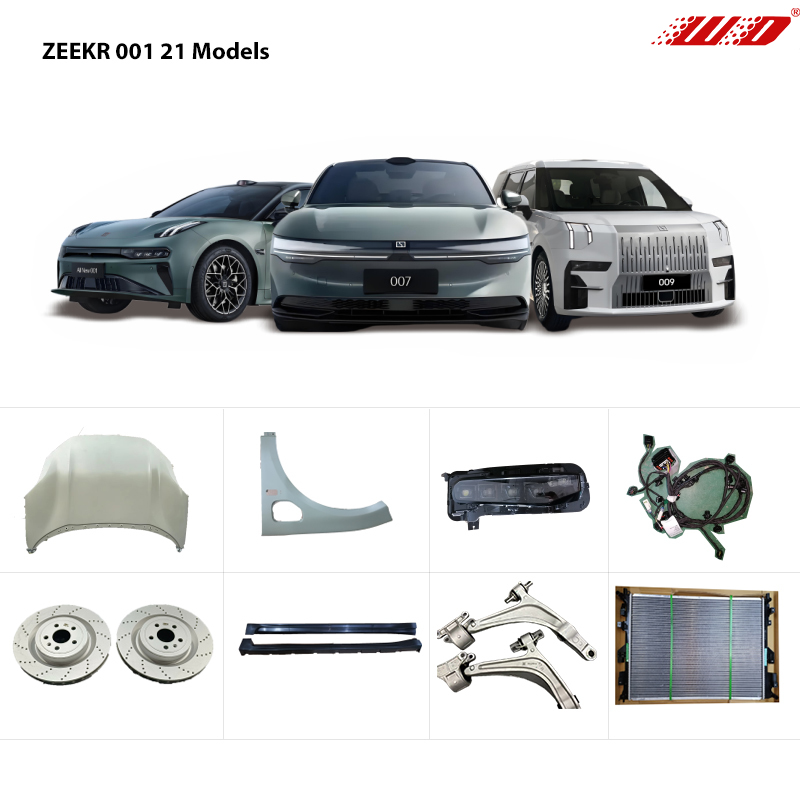
The Systém karoserie ZEEKR 001 napříč svými 21 modelovými variantami je sjednocen Platforma architektury SEA (Sustainable Experience Architecture). , specializovaná architektura akumulátorového elektrického vozidla, která zásadně definuje každý rozměr, pevný bod a bezpečnostní charakteristiku vozidla. Zatímco konfigurace hnacího ústrojí – jednomotorový zadní pohon, dvoumotorový pohon všech kol a vysoce výkonná dvoumotorová nastavení – se výrazně liší, základní struktura karoserie (BIW) zůstává pozoruhodně konzistentní. Primární rozdíl mezi modely nespočívá ve velkých konstrukčních úpravách, ale v materiálových upgradech aplikovaných na konkrétní komponenty: nahrazení lisované oceli na dveřích a kapotách hliníkovou slitinou, použití hliníkových závěsných kloubů u výkonnějších variant a cílené vzory výztuže, které se mění na základě velikosti baterie a hmotnostní třídy vozidla.
SEA Platform Architecture a ZEEKR 001 Body-in-White
Platforma SEA je architektura ve stylu skateboardu, kde baterie slouží jako namáhaný konstrukční prvek. Tělo ZEEKR 001 není jednoduše přišroubováno k samostatnému rámu; pouzdro baterie je integrováno do konstrukce podlahy a přímo přispívá k torzní tuhosti celého vozidla. Tato konstrukční volba znamená, že systém karoserie nepotřebuje k dosažení požadované tuhosti tradiční tunel převodovky nebo objemné výztuhy vahadel. Výsledkem je rovná podlaha, nižší nástupní výška než u srovnatelných sedanů s vnitřním spalováním a hodnota torzní tuhosti přesahující 41 000 Nm/stupeň ve všech 21 variantách.
Tělo v bílé barvě je konstruováno pomocí přístupu ze smíšených materiálů. Vysokopevnostní ocel je převládajícím materiálem v bezpečnostní buňce pro cestující, konkrétně v A-sloupcích, B-sloupcích, střešních příčkách a výztuhách prahů. Procento oceli tvářené za tepla – ultravysokopevnostního materiálu s pevností v tahu nad 1 500 MPa – se mezi modelovými roky mírně liší, ale ve variantách modelu 2024 a pozdějších tvoří přibližně 16,7 % hmoty BIW . To staví strukturu pasivní bezpečnosti ZEEKR 001 na úroveň srovnatelnou s prémiovými evropskými manažerskými sedany.
Složení materiálu napříč systémem těla
Výběr materiálu v systému karoserie ZEEKR 001 není u všech 21 modelů jednotný. Základní varianty s jedním motorem podle specifikace WE používají vyšší podíl lisované oceli pro uzavírací panely, aby splnily dostupnější cenu. Jak postupujete nahoru přes výkonnostní specifikace ME a YOU, obsah hliníku se znatelně zvyšuje. Níže uvedená tabulka kvantifikuje hlavní skupiny materiálů a jejich typické aplikace.
| Stupeň materiálu | Rozsah pevnosti v tahu | Primární aplikační oblast | Typické varianty |
|---|---|---|---|
| Měkká ocel | 270-350 MPa | Plášť střechy, podlahové panely kufru | Všechny varianty |
| Vysokopevnostní ocel (HSS) | 350-780 MPa | Vnitřní výplně dveří, přední podélné lišty | Všechny varianty |
| Pokročilá vysokopevnostní ocel (AHSS) | 780-1 500 MPa | Vnitřní B sloupek, výztuhy bočních prahů | Všechny varianty |
| Ocel tvářená za tepla / lisováním kalená | 1500 MPa a více | A-sloupek, střešní příčníky, boční nárazové nosníky | Všechny varianty, percentage varies |
| Hliníková slitina (řada 6xxx) | 240-320 MPa | Kapota, přední blatníky, víko zavazadlového prostoru (horní specifikace), klouby zavěšení | Varianty ME, YOU a Performance |
Strukturální diferenciace mezi 21 variantami modelu
Zatímco základní geometrie karosérie a převážná většina lisovaných panelů jsou společné, rozdíly mezi modelovými variantami se projevují ve specifických subsystémech. Nejvýznamnější strukturální variace se týká integrace bateriové sady. ZEEKR nabízí různé kapacity baterií pro 21 modelů, včetně sady 86 kWh a sady 100 kWh. Tyto sady mají různé fyzické tloušťky – jednotka 100 kWh využívající technologii CATL cell-to-pack je integrována s jinou sadou příčných výztuh pod podlahou a konstrukcí pohlcujících energii bočního nárazu ve srovnání s variantou 86 kWh. Systém karoserie musí vyhovovat těmto rozměrovým rozdílům, které jsou řešeny pomocí modulárních montážních držáků spíše než zcela odlišnými podlahovými výlisky.
Výkonnostní varianty karoserie
Nejvýkonnější dvoumotorové varianty – schopné zrychlení z 0-100 km/h za méně než 3,3 sekundy – kladou výrazně vyšší zatížení na přední a zadní montážní body pomocného rámu. ZEEKR to řeší pomocí lokalizovaných výztužných desek přivařených do předních vzpěr a oblastí připevnění zadního pomocného rámu. Tyto desky nejsou u jednomotorových modelů s nižším výkonem. Modely se specifikací YOU zaměřené na výkon jsou navíc standardně vybaveny vzduchovým odpružením, které vyžaduje různé geometrie horního uložení na předních tlumičích. Toto je jedna z mála oblastí, kde se karoserie v bílé skutečně liší ve vyražené geometrii mezi jednotlivými variantami, místo aby jednoduše dostávala přišroubované vyztužení.
Aplikace hliníkového uzavíracího panelu
Kapota je hliníková u všech modelů 2023 a pozdějších ZEEKR 001, což ušetří přibližně 7,2 kg ve srovnání s ekvivalentním ocelovým panelem. Přední blatníky a jednodílné zadní výklopné dveře jsou však řešení ze smíšených materiálů, které se liší podle specifikace. Varianty Premium YOU používají hliník pro vnitřní konstrukci dveří zavazadlového prostoru s termoplastickým vnějším pláštěm, zatímco základní varianty WE používají konvenční sestavu dveří zavazadlového prostoru z lisované oceli. Tento jednodílný swap představuje zhruba a Snížení hmotnosti o 12 kg v zadní části vozidla, což přímo těží z rozložení hmotnosti a odezvy zadního odpružení modelů vyšší specifikace.
Inženýrství bezpečnostních buněk a cesty zatížení při nárazu
Systém karoserie ZEEKR 001 je navržen pro tři primární dráhy zatížení při nárazu, které fungují identicky u všech 21 modelových variant. Při čelním nárazu je náklad směrován přes hliníkové přední podélné nárazové lišty do ocelového předního pomocného rámu, který je navržen tak, aby se řízeným způsobem deformoval a oddělil a absorboval energii předtím, než náklad dosáhne prostoru pro cestující. Druhá dráha přenáší sílu přes horní kolejnice a do konstrukce A-sloupku a prstence dveří. Třetí cesta využívá obvodový rám akumulátoru jako pevný boční prvek, který zabraňuje zasahování sestavy předního kola do prostoru pro nohy.
Ochraně při bočním nárazu dominuje jednodílný ocelový dveřní kroužek tvářený za tepla , výrobní technika, kde je celý vnitřní rám dveří – včetně B-sloupku, částí základny A-sloupku a spojky kolébkového panelu – lisovaný jako jeden komponent. Tím se eliminují slabá místa, která se tradičně vyskytují u svarů mezi jednotlivými součástmi pilířů. Samotné dveřní nosníky jsou rovněž ocelové tvářené za tepla, v průřezu oválného tvaru pro maximalizaci momentu setrvačnosti proti ohybu. V oficiálním testování China NCAP dosáhl ZEEKR 001 skóre bočního nárazu v souladu s pětihvězdičkovým hodnocením, přičemž naměřený průnik do prostoru pro cestující byl udržován pod 120 mm v bodě rozchodu B sloupku.
Ochrana proti korozi a dlouhá životnost těla
Tělo ZEEKR 001 ze smíšených materiálů představuje specifické problémy galvanické koroze, které technický tým řešil pomocí pečlivých izolačních technik. Tam, kde se hliníkové panely spojují s ocelovými konstrukcemi – nejkritičtěji u hliníkových závěsů kapoty a přírub lemu dveřního pláště – jsou upevňovací prvky potaženy a izolační páska nebo lepicí mezivrstva brání přímému kontaktu kov na kov. BIW prochází úplným katodickým elektropovlakovacím procesem ponořování s předúpravou zinko-fosfátovou lázní optimalizovanou pro adhezi více kovů.
ZEEKR poskytuje na tělo záruku proti perforační korozi po dobu 12 let napříč všemi modelovými variantami. To překračuje průměr v oboru za 10 let a odráží důvěru v proces pečetění a vstřikování vosku do dutin. Duté části konstrukce prahu, přední podélné lišty a dutiny zadních čtvrtkových panelů jsou všechny vstřikovány horkým voskem, který se zalévá do přírubových spojů a lemovaných hran a vytváří bariéru proti vlhkosti, která zůstává poddajná po celou dobu životnosti vozidla.
NVH inženýrství ve struktuře těla
Řízení hluku, vibrací a tvrdosti v systému karoserie elektrického vozidla se zásadně liší od vozidla s vnitřním spalováním. Neexistuje žádný hluk motoru, který by maskoval nárazy karoserie vyvolané silnicí a hluk větru, takže samotná struktura karoserie musí být vyladěna tak, aby posunula rezonanční frekvence pryč od dominantních zdrojů buzení. Tým karosérie ZEEKR 001 aplikoval na BIW rozsáhlé využití strukturálního lepení kromě konvenčního bodového svařování. Souvislá housenka lepidla mezi vnitřním a vnějším panelem dveří, střechou a podlahovým panelem zvyšuje celkovou tuhost a přidává tlumicí efekt omezené vrstvy, který potlačuje vibrace panelu.
Specifická protiopatření NVH v tělesném systému zahrnují a design přední části palubní desky s dvojitou přepážkou , kde je primární ocelová přístrojová deska doplněna sekundárním panelem odděleným tlumícím plechem. Jedná se o řešení vypůjčené ze segmentu luxusních sedanů. Podlahová část je také vybavena vyladěnými tlumiči hmoty v místech pro nohy cestujících vzadu, které působí proti specifické nízkofrekvenční dunivé rezonanci zjištěné během vývoje při přibližně 42 Hz, což je frekvence, která se shoduje s vlastní frekvencí neodpružené hmoty na hrubém asfaltu. Tyto tlumiče jsou přišroubovány k zesíleným konzolám přivařeným ke konstrukci podlahy a jsou konzistentní ve všech 21 variantách.
Výroba a montáž systému karoserie
Karosérie ZEEKR 001 v bílé barvě se montuje v závodě Geely Ningbo na vysoce automatizované lince. Rámovací stanice využívá kombinaci robotického bodového svařování a laserového pájení, přičemž laserem pájený spoj je nejviditelněji aplikován na otvor na straně střechy ke karoserii. To vytváří bezešvou, hladkou spojovou linii, která eliminuje potřebu střešního příkopu, zlepšuje aerodynamickou účinnost a vizuální kvalitu. Celkový počet bodových svarů na BIW překračuje 4800 bodů , s dodatečnými 12 metry strukturálního lepidla naneseného ve spojích spojů.
Kontrola kvality systému karoserie zahrnuje automatizovanou optickou kontrolu ve třech fázích procesu montáže: po rámování podvozku, po kompletní boční montáži karoserie a střechy a po zavěšení uzavíracího panelu. Rozměrová přesnost je udržována v toleranci ±1,5 mm napříč tělem pro všechna kritická rozhraní mezer a zarovnaných ploch. Mezery mezi předním blatníkem a kapotou a mezi zadním panelem a dveřmi zavazadlového prostoru jsou uvedeny na 3,5 mm ± 0,5 mm a jsou kontrolovány na každém jednotlivém vozidle, přičemž seřízení v řadě provádějí stanice pro nastavení dveří a kapoty při konečné montáži.